- Jan 03, 2025
- Design
- 8
Affordable Housing Challenges and Solutions
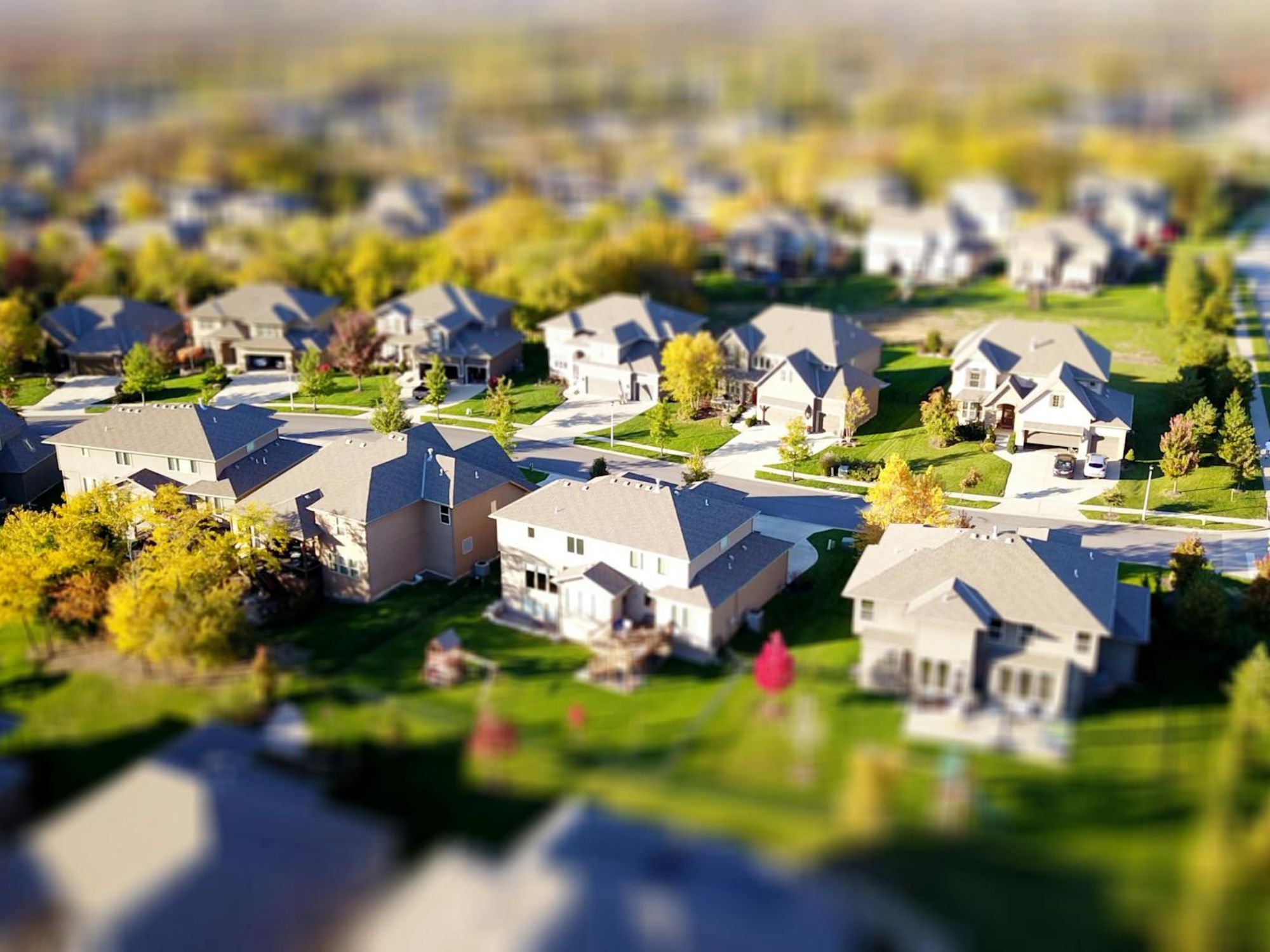
Nigeria’s housing deficit, estimated at over 20 million units, remains a significant challenge for policymakers and industry stakeholders. The high cost of land, building materials, and limited access to affordable financing options have made homeownership unattainable for many Nigerians. This issue disproportionately affects low- and middle-income earners, particularly in urban centers like Lagos, Abuja, and Kano.
To address this crisis, innovative solutions are emerging. Government initiatives such as the National Housing Fund (NHF) and Public-Private Partnerships (PPPs) aim to increase access to affordable homes. Developers are exploring cost-effective building techniques, including prefabricated materials and modular construction, which significantly reduce construction time and expenses. Additionally, microfinance institutions and cooperative housing schemes are offering alternative financing models, enabling individuals to gradually pay for their homes.
For investors and businesses, affordable housing presents a significant growth opportunity. Developers targeting this segment can benefit from economies of scale by building large housing estates with standardized designs. Financial institutions can create tailored mortgage products for low-income earners, capturing a previously underserved market. Furthermore, tech startups can develop platforms that connect buyers with affordable housing options, improving market transparency.
The push for affordable housing also creates opportunities for corporate social responsibility (CSR) initiatives. Companies can invest in housing projects as part of their CSR agendas, fostering goodwill while addressing a critical societal need. With strategic partnerships and innovative solutions, the dream of affordable housing for all Nigerians can become a reality, paving the way for inclusive growth in the real estate sector.
Popular Categories
Popular Posts
Affordable Housing Challenges and Solutions

The Rise of Smart Homes in Nigeria

Real Estate Investment Trends in Nigeria